Compliance & Safety Certificates
Nation by nation
Carbon monoxide alarm regulations: a landlord guide

Carbon monoxide poisoning kills around 40 people in England and Wales every year and sends hundreds more to hospital. As a landlord you have a legal duty to install carbon monoxide alarms in your rental property, and the rules changed significantly in October 2022. This guide explains what the current regulations require, which rooms are covered, what type of alarm to use, and what happens if you do not comply.
What are the carbon monoxide alarm regulations for landlords?
The rules for England are set out in the Smoke and Carbon Monoxide Alarm (England) Regulations 2015, as significantly amended by the Smoke and Carbon Monoxide Alarm (Amendment) Regulations 2022, which came into force on 1 October 2022 and apply across the private rented sector as well as to social housing for the first time. In summary, landlords must install at least one CO alarm in every room that contains a fixed combustion appliance, with the exception of gas cookers, ensure all CO alarms are in working order at the start of every new tenancy, and repair or replace any faulty alarm as soon as reasonably practicable after being notified. The government’s explanatory guidance for landlords sets out the detail.
What changed in October 2022?
The original 2015 regulations only required CO alarms in rooms with a solid-fuel-burning appliance, such as a log burner, open fire or coal stove, and gas appliances like boilers and gas fires were not covered. The 2022 amendment extended the scope substantially: from 1 October 2022 a CO alarm is required in any room with any fixed combustion appliance, including gas boilers and gas fires, not just solid fuel. This is the most consequential change in the rules and affects the great majority of rental properties, since most have gas central heating with a boiler somewhere on the premises. The amendment also brought social housing landlords into scope, where they had previously been exempt.
Which rooms need a carbon monoxide alarm?
A CO alarm is required in any room containing a fixed combustion appliance. In practice, for most rental properties that means the room with the gas boiler, most often the kitchen, utility room, airing cupboard or boiler cupboard, any room with a gas fire or fireplace, whether real-flame or decorative, any room with a log burner, wood-burning or multi-fuel stove or open fire, and any room with an oil-fired boiler or heater. If your property has a combi boiler in the kitchen and a gas fire in the living room, you need an alarm in both. The regulations frame this around a room used as living accommodation that contains the appliance, but the safe and widely recommended approach is to fit an alarm wherever the appliance is, including a boiler in a cupboard, so the practical rule is simple: put an alarm in the room with the appliance. Alongside this, you must hold a valid gas safety certificate, renewed every 12 months.
Which appliances trigger the requirement?
The fixed combustion appliances that trigger the requirement are gas boilers, including combi, system and heat-only boilers; gas fires and fireplaces, real-flame or decorative; log burners, wood-burning and multi-fuel stoves; open coal fires and other solid-fuel appliances; oil-fired boilers and heaters; fixed LPG appliances; and biomass boilers.
Gas cookers, including gas hobs and ovens, are specifically excluded. A kitchen with only a gas hob and oven, no boiler and no gas fire, does not legally need a CO alarm under these regulations, though fitting one is strongly recommended as best practice, since any gas-burning appliance can in principle produce carbon monoxide.
What type of carbon monoxide alarm do I need?
Any alarm you install should comply with British Standard BS EN 50291-1, the electrochemical cell type for domestic use, and carry the British Kitemark as confirmation of independent testing. Battery-powered alarms are the simplest and most common option, and a sealed long-life battery unit, typically lasting five to ten years, is best practice so the tenant cannot inadvertently remove the battery. Mains-wired alarms with battery backup are more reliable and harder to tamper with but need an electrician, and are required in some HMOs under fire safety rules. Combination smoke and CO alarms are increasingly popular for kitchens and utility rooms; check the unit meets both BS EN 14604 for smoke and BS EN 50291-1 for CO. Whichever type you choose, note the manufacturer’s replacement date on the back of the unit, as most CO alarms last five to ten years before the sensor degrades and the whole unit must be replaced.
Where should CO alarms be positioned?
Carbon monoxide is roughly the same density as air, so it spreads fairly evenly through a room rather than rising to the ceiling like smoke. Mount the alarm at around head height, one to one and a half metres from the floor, on a wall or ceiling in the same room as the appliance. Keep it away from windows, doors and extractor fans, where draughts can disperse CO before it reaches the sensor, and out of corners where air circulation is poor. Where the manufacturer’s instructions differ from general guidance, follow the manufacturer’s instructions.
Testing obligations at the start of each tenancy
You must ensure every CO alarm is in working order at the start of each new tenancy. Press the test button on each alarm and confirm it sounds, check the replacement date and replace any unit at or past expiry, record the test date and result in your move-in paperwork, give the tenant written confirmation that the alarm has been tested, and show them where each alarm is, how to test it, and what to do if it sounds. This applies every time a new tenancy begins, including when you re-let after a void.
Repair and replacement obligations
If a tenant reports a faulty or non-functioning CO alarm, you must repair or replace it as soon as reasonably practicable, and given the life-safety implications that should be treated as urgent, in practice within 24 to 48 hours. Keep receipts and records of all replacements, and replace any alarm proactively as it approaches its printed expiry. The split of responsibility is clear: tenants test routinely and report faults, while landlords ensure working alarms are installed and carry out all repairs and replacements.
What happens if you do not comply?
Local housing authorities enforce the regulations. They can serve a remedial notice requiring the alarms to be installed or repaired within 28 days; if the landlord does not comply, they can arrange the work at the landlord’s expense, and they can impose a civil penalty of up to £5,000. Non-compliance is also relevant to any assessment under the Housing Health and Safety Rating System, since carbon monoxide is a Category 1 hazard, so missing alarms could trigger an improvement notice alongside the specific enforcement regime.
Scotland, Wales and Northern Ireland
The rules above apply in England. Scotland has stricter requirements that apply to every home: since February 2022 each must have interlinked fire and smoke alarms, a heat alarm in the kitchen, and a CO detector wherever there is a fixed combustion appliance, all interlinked. In Wales, the CO requirement under the Renting Homes fitness regulations is broadly similar in scope, an alarm in any room with a gas, oil or solid-fuel appliance or flue, though the Welsh smoke alarm rules are stricter, requiring mains-powered interlinked alarms on each storey. Northern Ireland operates under separate building regulations, so check with the relevant local authority and the Department for Communities.
CO alarms and your gas safety obligations
Carbon monoxide alarm compliance is a separate legal duty from your gas safety certificate, but the two are closely linked: any property with a gas appliance needs both a current Gas Safety Record, renewed every 12 months by a Gas Safe registered engineer, and a CO alarm in the room with the gas boiler or fire. The two are best tracked together as part of one compliance routine.
Carbon monoxide alarm compliance checklist
Identify every room with a fixed combustion appliance: boiler, gas fire, log burner, oil boiler and so on.
Confirm a CO alarm complying with BS EN 50291-1 is installed in each of those rooms.
Check the replacement date on every alarm and replace any unit at or near expiry.
Test every alarm and document the result in your move-in paperwork.
Confirm your gas safety certificate is current.
Brief the tenant on the alarm locations and the emergency protocol if one sounds: leave, call 999, and call the Gas Emergency Service on 0800 111 999.
Keep written records of all tests, installations and replacements in your property file.
Frequently asked questions
Do I need a CO alarm if my rental has a gas boiler?
Yes. Since October 2022 gas boilers are covered, so you must install at least one CO alarm in the room containing the boiler, whether that is a kitchen, utility room or airing cupboard.
Do I need a CO alarm if there is a gas hob but no boiler?
No. Gas cookers are specifically excluded, though fitting one is strongly recommended, since any gas appliance can in principle produce CO.
Who is responsible for testing during the tenancy?
The landlord must ensure alarms work at the start of each tenancy. During the tenancy, tenants are encouraged to test regularly and must report faults, and once notified the landlord must repair or replace as soon as reasonably practicable.
Do I need CO alarms in every flat in a block?
Yes. The duty applies per dwelling, so each self-contained flat needs its own alarms wherever required, regardless of communal areas or shared heating.
What should a tenant do if the CO alarm sounds?
Stop using all fuel-burning appliances, leave the building and get fresh air, call 999, and call the Gas Emergency Service on 0800 111 999, and not re-enter until a Gas Safe registered engineer has declared the property safe.
Is there a requirement to interlink CO alarms in England?
No. Interlinking is not required under the English regulations, unlike Scotland; standalone alarms in each room with a combustion appliance satisfy the requirement.
Key takeaways
Since 1 October 2022, CO alarms are required in any room with a fixed combustion appliance, including gas boilers and fires, not just solid fuel, which affects the great majority of rental properties in England.
Gas cookers are the only combustion appliance specifically excluded.
Alarms must comply with BS EN 50291-1, be tested at the start of every new tenancy, and be repaired or replaced promptly when faulty.
Local housing authorities can serve remedial notices and impose fines of up to £5,000.
Scotland has stricter, interlinked requirements, and the rules differ in Wales and Northern Ireland.
CO alarm compliance sits alongside your gas safety certificate, EICR and smoke alarm duties as a core safety requirement.
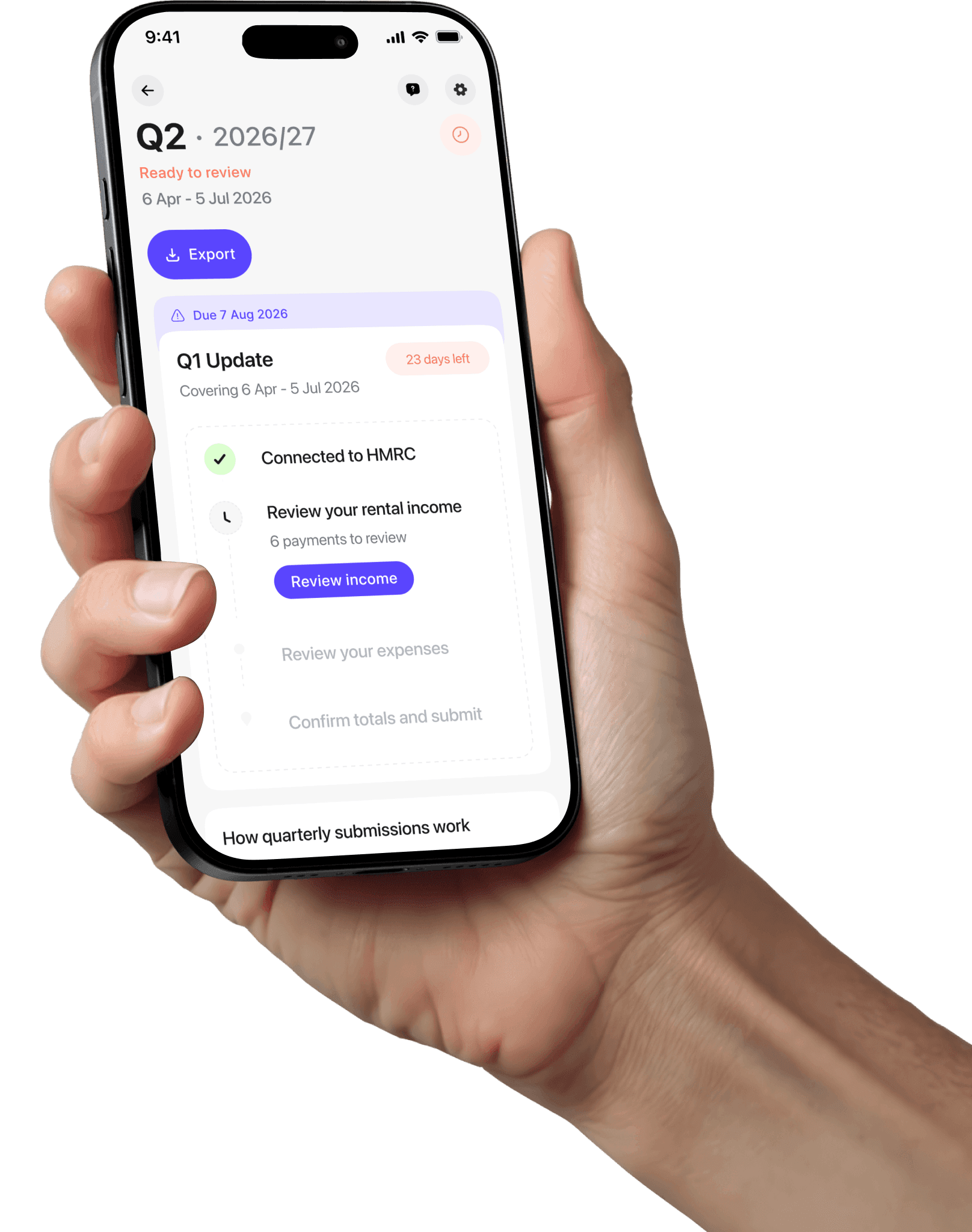
Smoke and CO alarms are separate but complementary obligations, and for where smoke alarms must go on every storey and what type to use, see our guide to smoke alarm regulations in rental properties. Keeping alarm tests, replacement dates and the rest of your safety obligations on track is what August’s compliance reminders are built for, and it is free for up to two properties.
Disclaimer: This article is intended for general informational purposes only and does not constitute legal, financial, or professional advice. Landlord and tenant law is subject to change, and the information in this article reflects the position at the time of writing. You should always seek independent legal or professional advice before taking any action in relation to your property or tenancy.

Author
August Team
The August editorial team lives and breathes rental property. They work closely with a panel of experienced landlords and industry partners across the UK, turning real-world portfolio and tenancy experience into clear, practical guidance for small landlords.