Landlord Software & Technology
Property Hawk has closed: recovering your records and choosing a replacement

Updated October 2026
Property Hawk has shut down its free landlord software, Property Manager (also known as PM3s). Its website still shows a notice saying the service is closing at the end of August 2026 and that users should move to another platform, but the software is no longer available. Landlords who exported their records in time need to file them properly and pick a replacement. Landlords who didn't need to rebuild their rent history, tenancy documents and safety certificates from other sources. This guide covers both, and explains what a replacement needs to handle now that Making Tax Digital is live.

What happened to Property Hawk
Property Hawk's Property Manager closed at the end of August 2026, ending nearly two decades as one of the few genuinely free tools for UK landlords. Earlier reports gave the end of July, based on the original version of the notice, but the closure date on Property Hawk's own site is the end of August. That notice hasn't been updated since the shutdown, it gives no reason for the closure, and as at October 2026 Property Hawk has published no route for retrieving records left inside the platform.
The software's appeal was always its price, and that is also why it stood still. It never added Making Tax Digital support. It didn't track certificate expiry dates for you, and it relied on manual rent entry long after open banking made that unnecessary. Many of its users were already facing a move before the closure forced the decision.
If you exported your data in time
Exported files only protect you if they are complete and stored somewhere you control. Open each file now and check it covers every tenancy and every tax year you have filed. A rent ledger that stops a year early is easy to miss until HMRC asks about it.
Keep everything together in one labelled folder in cloud storage, not only on a single laptop. If you want an interim structure while you choose new software, a landlord spreadsheet template will hold rent and expenses in a format most platforms can take in later.
If you didn't: how to rebuild your records
Almost everything Property Hawk held also exists somewhere else, because the platform only ever stored copies of records created elsewhere. In our experience supporting landlords who arrive on August with incomplete histories, a full rebuild for a small portfolio usually takes an afternoon, not weeks. Work through these sources in order:
Rent history: your bank statements. Every rent payment that reached your account is on your statements. Download them for each tax year you need and rebuild the ledger tenancy by tenancy.
Tenancy agreements: your email and your tenants. If you sent agreements from your inbox, the signed copies are in your sent folder. Where they aren't, ask the tenant for their copy.
Deposit records: your deposit scheme. Log in to the scheme that protects each deposit to download the protection certificate and the details of when it was protected. GOV.UK sets out the tenancy deposit protection rules the paperwork has to meet.
Energy Performance Certificates: the government register. Every lodged EPC is publicly searchable by postcode on the GOV.UK energy certificate register, so you can download a fresh copy in minutes.
Gas safety records: your engineer. Ask the Gas Safe registered engineer who did the last check for a copy of the record. Landlords must keep each gas safety record for two years under regulation 36 of the Gas Safety (Installation and Use) Regulations 1998.
Electrical Installation Condition Reports: your electrician. The electrician who carried out the inspection keeps a copy and can reissue it.
Past tax figures: your HMRC online account. Your submitted Self Assessment returns are available there, which gives you the annual totals to check a rebuilt ledger against.
Before you give up on lost data, it is also worth contacting Property Hawk directly to ask whether account records were retained, but don't build your plan around getting them back.
How long you need to keep these records
Landlords must keep business records for at least five years after the 31 January submission deadline for the tax year they relate to, according to HMRC's record-keeping guidance on GOV.UK (checked October 2026). Records for the 2025/26 tax year therefore need to be kept until at least 31 January 2032.
That window is why a rebuilt history matters even for tenancies that have ended. If HMRC opens an enquiry into an earlier year, you need the transaction-level ledger behind the figures you filed, not just the totals.
Choosing a Property Hawk replacement in 2026
Judge a replacement against the obligations you carry now, not the features Property Hawk had. Three tests separate a modern platform from a like-for-like swap:
Making Tax Digital: whether it keeps digital records and submits quarterly updates to HMRC.
Compliance tracking: whether it tracks certificate expiry dates and reminds you before anything lapses.
Rent tracking: whether it matches rent payments from your bank automatically, so you aren't entering them by hand.
Our guide on how to choose landlord software works through these criteria in more depth. For a side-by-side view of pricing and features across the main UK platforms, the best property management software for UK landlordscomparison covers twelve options in one place. If cost is the deciding factor, most former Property Hawk users can stay on a free plan, and our round-up of free landlord software in the UK shows what each free tier includes.
Making Tax Digital and former Property Hawk users
Making Tax Digital for Income Tax has applied since 6 April 2026 to landlords and sole traders whose qualifying income is above £50,000. The threshold falls to £30,000 from April 2027 and to £20,000 from April 2028, as set out in HMRC's MTD guidance on GOV.UK (checked October 2026). Landlords in scope must keep digital records and send HMRC quarterly updates.
Property Hawk never supported this, so a landlord moving off it who is in scope, or will be within two years, should choose MTD-compatible software now rather than migrate twice. Our Making Tax Digital hub explains the quarterly process in full, and the rental income tax calculator gives a quick read on where your income sits against the thresholds.
Where August fits
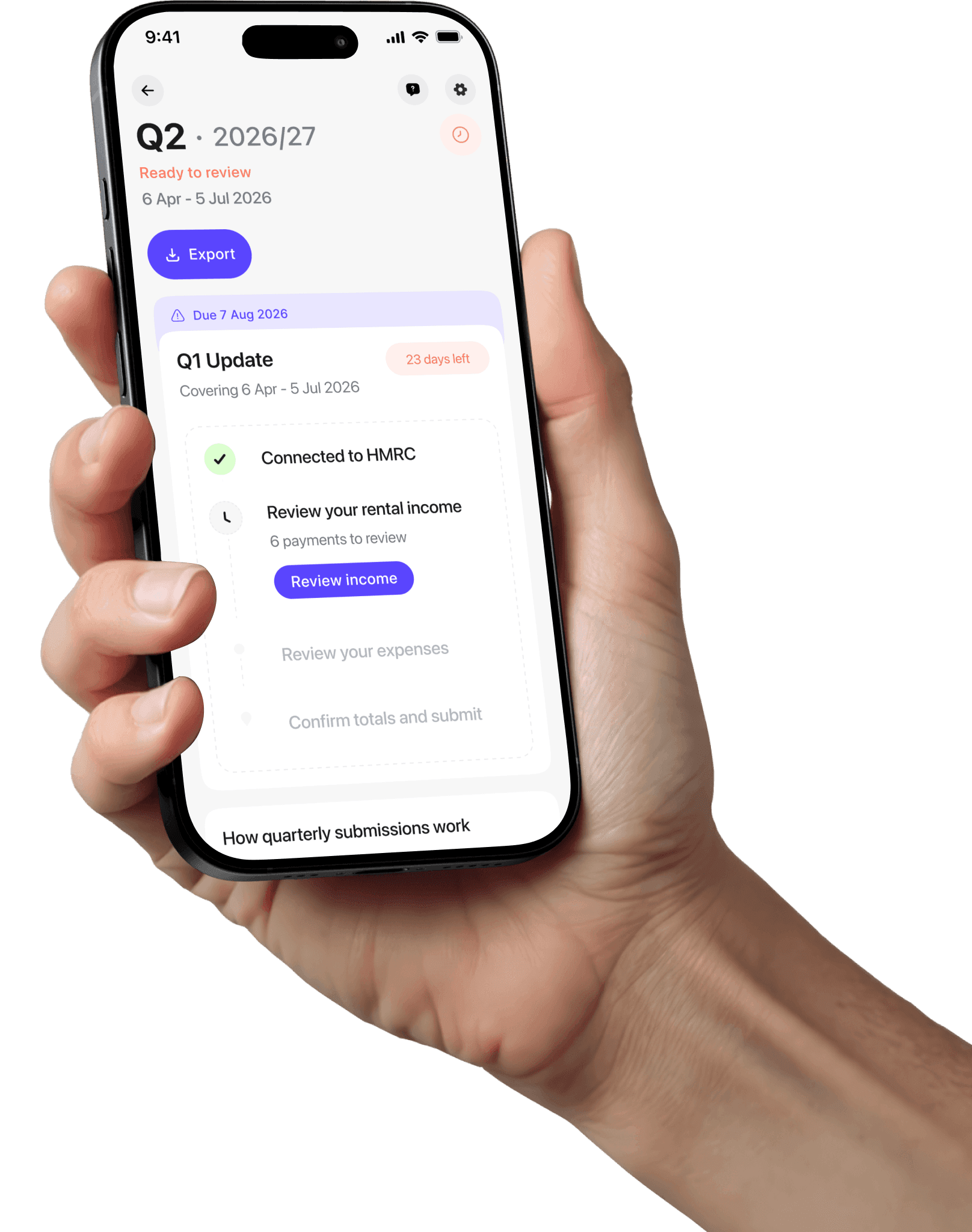
August is an all-in-one property management app for self-managing UK landlords and HMO operators. It covers what Property Hawk did and adds the three things it lacked. August has a commercial interest in your choice, so judge it against the same criteria as every other platform.
Rent payments are matched automatically through an open banking connection, so the ledger you rebuilt from bank statements doesn't have to be maintained by hand from here on. That is how rent tracking works in August. The connection is provided through Plaid Financial Ltd, an authorised payment institution regulated by the Financial Conduct Authority (Firm Reference Number 804718), and August never sees your bank login details.
Certificates go into a compliance checklist that tracks expiry dates and reminds you before each one lapses. Landlords switching from free tools tell us this is the change they notice first, because a missed gas safety renewal was exactly the kind of risk older software left to memory. August is also recognised by HMRC for Making Tax Digital, and its free plan has no time limit.
Frequently asked questions
Is Property Hawk still working?
No. Property Hawk's Property Manager software closed at the end of August 2026, although its website still carries the "closing soon" notice. Treat any data still held there as unavailable unless Property Hawk confirms otherwise.
Can I get my Property Hawk data back now?
As at October 2026, Property Hawk has not published a recovery route. Contact the company to ask, but rebuild your records in parallel from bank statements, your deposit scheme, the EPC register, and copies held by your engineers and tenants.
Is there a free alternative to Property Hawk?
Yes. Several UK platforms offer free plans for small portfolios, August included. Unlike Property Hawk, current free tiers are actively developed and include automated rent tracking and compliance reminders.
Do I need MTD-compatible software?
You do if your qualifying income is above £50,000, because Making Tax Digital for Income Tax has applied since 6 April 2026. The threshold drops to £30,000 in April 2027. If you're moving off Property Hawk anyway, you can start on August's free plan and have MTD support ready before you need it.

Author
August Team
The August editorial team lives and breathes rental property. They work closely with a panel of experienced landlords and industry partners across the UK, turning real world portfolio and tenancy experience into clear, practical guidance for small landlords.